Diesel Particulate Filter (DPF) Guide
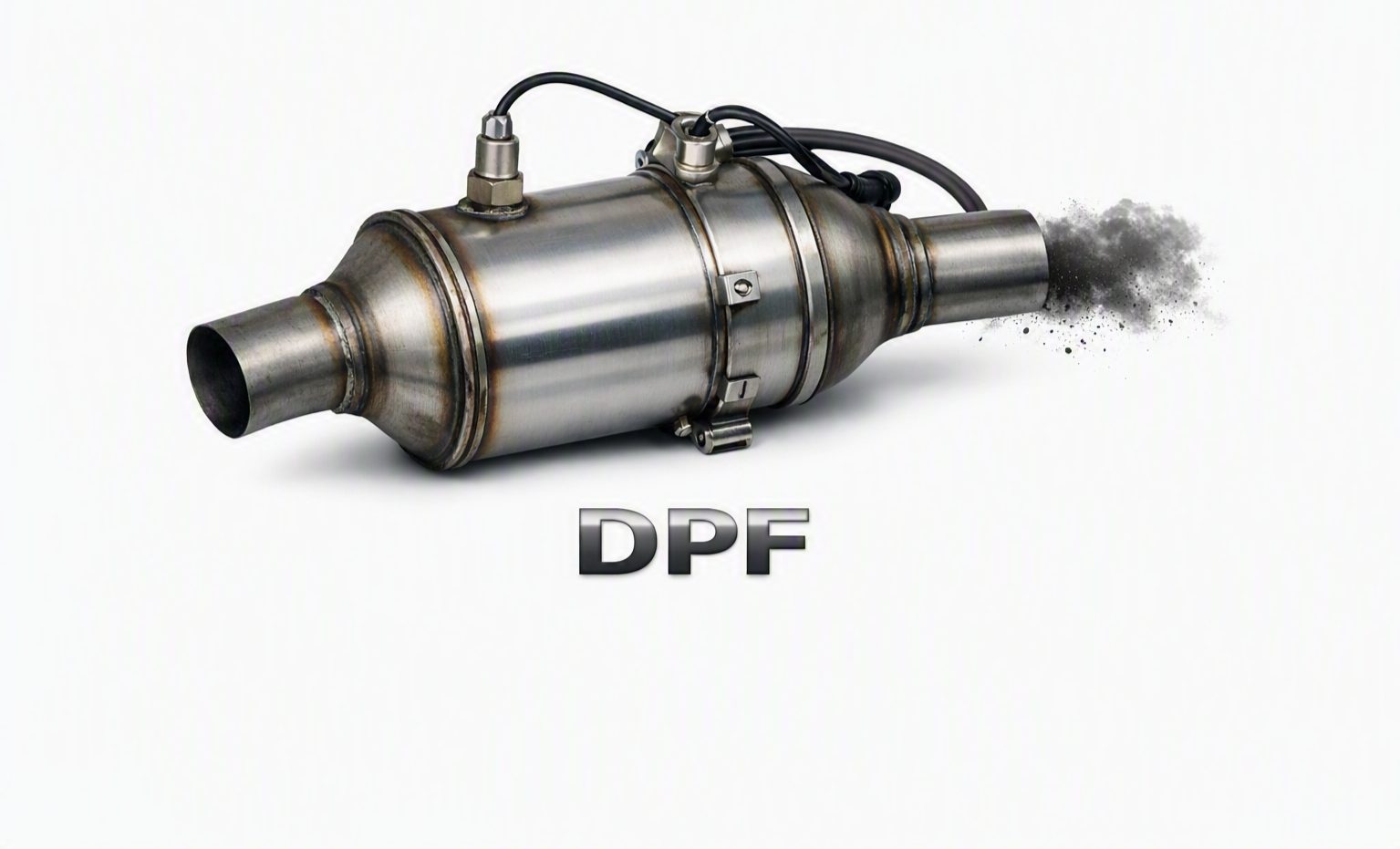
The diesel particulate filter (DPF) is an emissions control device fitted to most modern diesel vehicles. Its purpose is to capture soot particles created during diesel combustion before they exit the exhaust system. Without filtration these particles would be released into the atmosphere and contribute to air pollution.
Modern emissions regulations require diesel vehicles to meet strict environmental standards. The DPF plays an important role in achieving these standards by trapping particulate matter inside a specialised filter within the exhaust system.
Over time soot accumulates inside the filter. To prevent the filter becoming blocked, the engine management system performs a process known as regeneration. During regeneration the exhaust temperature increases to burn the soot particles and convert them into ash.
However, vehicles driven mostly on short journeys may not reach the temperatures required for regeneration. When this happens the filter can gradually become blocked and trigger a DPF warning light on the dashboard.
If ignored for too long, a blocked DPF may cause reduced engine power, increased fuel consumption or limp mode. Understanding how the system works can help drivers identify problems early and avoid expensive repairs.
DPF Information & Guides
- What Is A DPF?
- What Does A DPF Do?
- How A DPF Works
- Common DPF Problems
- DPF Replacement Cost
- DPF Warning Light
Common DPF Symptoms
- DPF warning light on dashboard
- Reduced engine power or limp mode
- Increased fuel consumption
- Frequent regeneration cycles
- Vehicle struggling to accelerate
Diagnose Your Car Problem
MotorLoom analyses vehicle symptoms and fault patterns to help identify possible issues before visiting a garage.
Find Your Problem Now →Find A Garage Near You
Compare Garages Near YouCar Parts & Tools
Browse Car PartsCheck Fault Codes Yourself
Get OBDeleven ScannerMotorLoom may earn a commission from affiliate links at no additional cost to you.