How A Diesel Particulate Filter Works
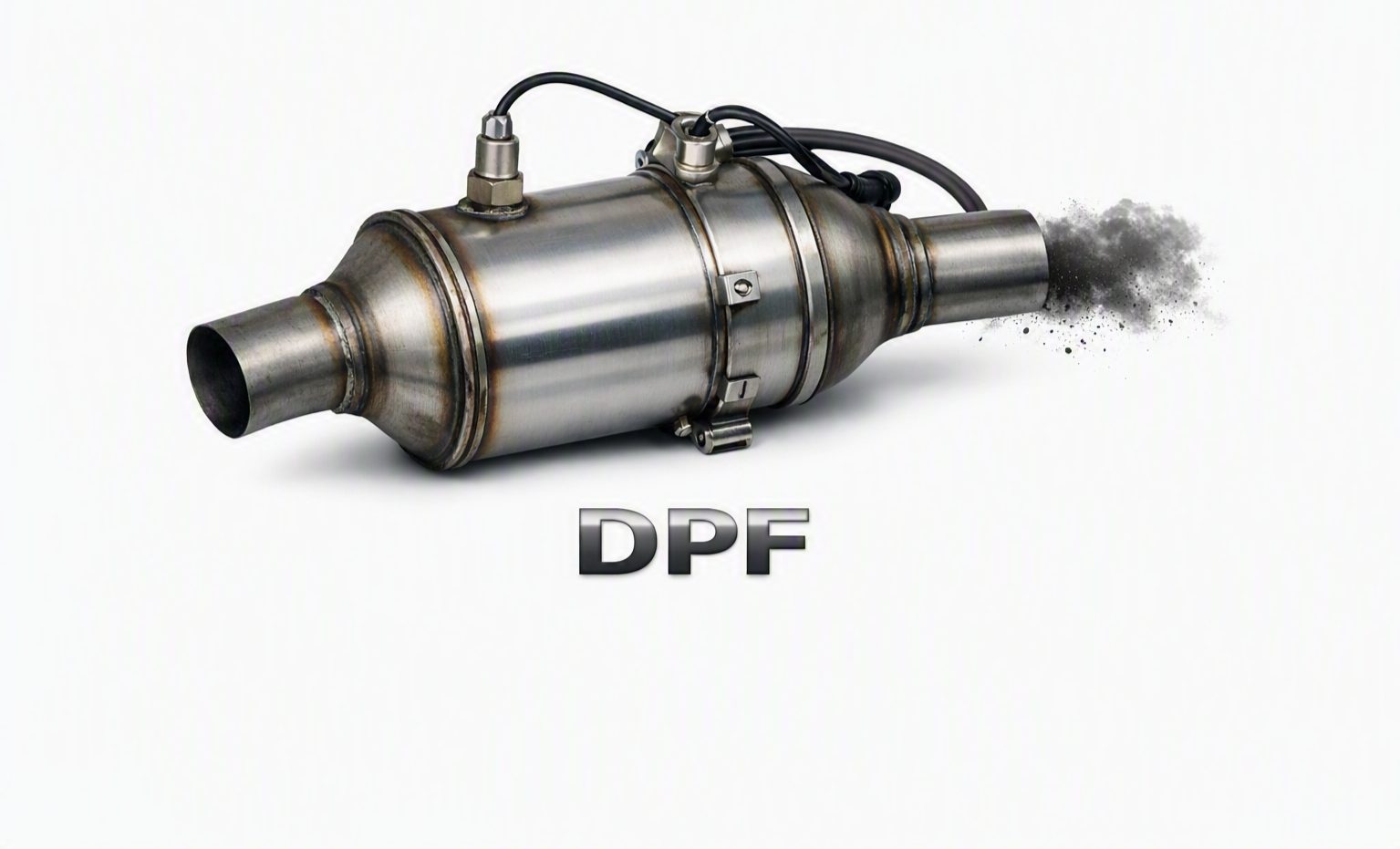
The diesel particulate filter (DPF) is designed to remove soot particles from the exhaust gases produced by diesel engines. It works by capturing these particles in a specialised filter within the exhaust system before they can be released into the atmosphere.
Inside the DPF is a ceramic honeycomb structure with thousands of small channels. These channels allow exhaust gases to pass through while trapping soot particles on the internal surfaces of the filter.
Over time soot accumulates inside the filter. To prevent blockage the vehicle performs a process known as regeneration, where high exhaust temperatures burn the soot and convert it into ash.
Passive Regeneration
Passive regeneration occurs naturally when the vehicle is driven at sustained higher speeds. During motorway driving the exhaust temperature becomes hot enough to burn away soot automatically.
Active Regeneration
If the system detects that soot levels are increasing, the engine management system may trigger active regeneration. This increases exhaust temperature by injecting additional fuel during combustion.
The higher temperatures burn away soot and clear the filter.
DPF Sensors
DPF systems use pressure sensors and temperature sensors to monitor soot levels and determine when regeneration is required.
If the sensors detect excessive soot accumulation the vehicle may display a dashboard warning light.
Why Understanding This Process Matters
Knowing how passive and active regeneration differ can help explain why some driving patterns cause more DPF issues than others. A car used mainly for short, low-speed trips may rarely reach the conditions needed for passive regeneration, forcing the engine management system to rely on active regeneration far more often. Repeated active regeneration cycles place extra demand on the fuel system and can accelerate wear on related components over time.
If you are seeing symptoms that might be linked to this process, it is worth checking our full car symptoms index to rule out other causes, or browsing common problems by make and model to see whether DPF regeneration issues are a known weak point for your specific vehicle.
To learn more about diesel particulate filter problems see the MotorLoom DPF guide.
Diagnose Your Car Problem
MotorLoom analyses vehicle symptoms and fault patterns to identify possible faults.
Find Your Problem Now →Find A Garage Near You
Compare Local GaragesCar Parts & Tools
Browse Car PartsCheck Fault Codes Yourself
View OBDeleven ScannerMotorLoom may earn a commission from affiliate links at no additional cost to you.