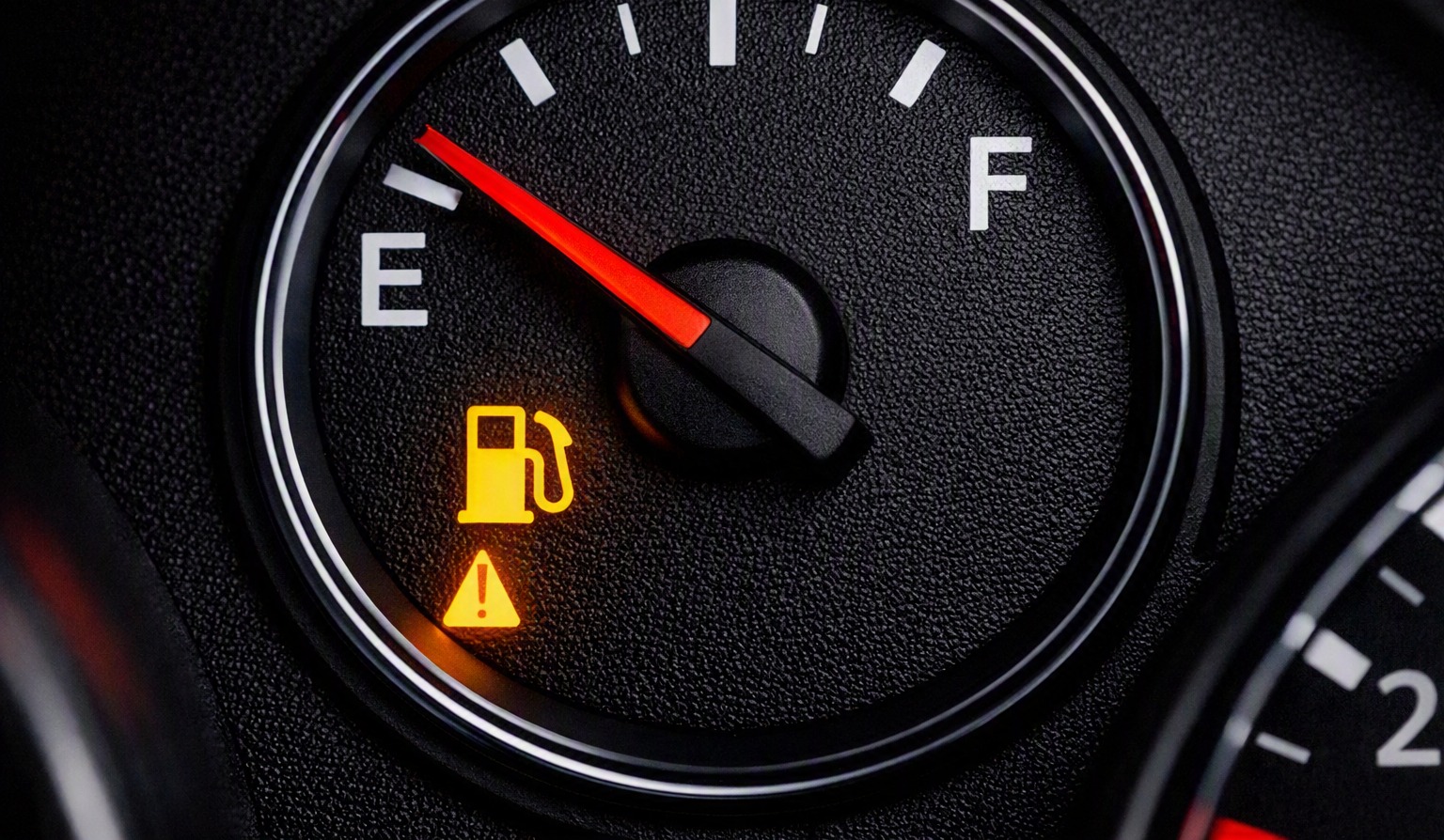
How to Know If Your Fuel Consumption Has Genuinely Increased
Before diagnosing a cause it is worth confirming that consumption has actually increased rather than just seeming higher due to changing driving patterns. The most reliable method is the full tank test — fill the tank completely, reset the trip meter and drive normally until the next fill. Divide the miles driven by the litres used to calculate your actual mpg. Compare this to the manufacturer figure or your own previous measurements.
A reduction of more than 10-15% from your normal figure is significant and worth investigating. Seasonal variation is also normal — fuel consumption increases in winter as engines take longer to warm up, air is denser and tyres run at lower pressures in cold temperatures.
The Most Common Causes of High Fuel Consumption
1. Faulty Lambda (Oxygen) Sensor
The lambda sensor is the most common mechanical cause of significantly increased fuel consumption. It monitors the oxygen content of the exhaust gases to tell the ECU whether the engine is burning fuel efficiently. A faulty sensor sends incorrect data — causing the ECU to inject more fuel than necessary. The engine runs rich and fuel consumption increases noticeably — often by 15-25% on a failed sensor.
The engine management light typically illuminates when a lambda sensor fails. Replacement is straightforward on most cars and relatively inexpensive. Read more about engine management light causes here.
Urgency: Medium — fix within 4 weeks to prevent catalytic converter damage
2. Dirty or Blocked Air Filter
The air filter prevents dust and debris from entering the engine. As it becomes clogged it restricts airflow — the engine has to work harder to draw in air and the ECU enriches the fuel mixture to compensate. A severely blocked air filter can increase fuel consumption by 10% or more. It also reduces performance and can cause rough running.
Air filter replacement is one of the cheapest and easiest maintenance items — typically £10-£30 for the filter itself and 20 minutes to replace on most cars. It should be checked at every service and replaced every 12,000-15,000 miles or annually.
Urgency: Low — but cheap and effective fix
3. Low Tyre Pressure
Under-inflated tyres are one of the most common and most overlooked causes of increased fuel consumption. A tyre that is 10psi below the recommended pressure increases rolling resistance significantly — the engine has to work harder to maintain speed and fuel consumption rises by around 3-4% per under-inflated tyre.
Check all four tyre pressures — including the spare — against the manufacturer specification found on the sticker inside the driver's door jamb or in the owner's manual. Cold weather drops tyre pressure by approximately 1psi for every 10 degree Celsius temperature drop.
Urgency: Check immediately — quickest possible fix
4. Coolant Temperature Sensor Fault
The coolant temperature sensor tells the ECU when the engine is cold so it can apply a richer fuel mixture during warm-up. If the sensor fails and permanently reads cold the ECU applies cold-start fuel enrichment continuously — dramatically increasing fuel consumption even when the engine is fully warm. The engine management light may or may not illuminate depending on how the sensor fails.
A clue is that fuel consumption is consistently high regardless of journey length — even on long motorway runs where the engine should be fully warm and efficient.
Urgency: Medium
5. Leaking Fuel Injector
A fuel injector that drips fuel when it should be closed delivers excess fuel into the cylinder — increasing consumption and often causing rough running. On petrol engines this produces a rich running condition with black exhaust smoke under acceleration. On diesel engines a leaking injector is more serious — fuel can enter the sump and dilute the engine oil, which is harmful to the engine.
Injector leak-off testing by a garage confirms whether injectors are sealing correctly. Read more about high fuel consumption causes here.
Urgency: Medium-High on diesel
6. EGR Valve Fault
The EGR (Exhaust Gas Recirculation) valve recirculates exhaust gases back into the intake to reduce emissions. A stuck-open EGR valve dilutes the intake charge — reducing combustion efficiency and increasing fuel consumption. This is more common on diesel engines and typically produces hesitation and loss of power alongside increased consumption.
Urgency: Medium
7. Worn Spark Plugs (Petrol Engines)
Worn spark plugs struggle to ignite the air-fuel mixture efficiently — particularly at higher loads. Incomplete combustion means more fuel is needed to produce the same power output. Fuel consumption increases gradually as plugs wear — the change is rarely dramatic enough to notice until plugs are significantly overdue for replacement.
Standard copper plugs should be replaced every 20,000-30,000 miles. Iridium and platinum plugs last up to 60,000 miles. Always replace the full set.
Urgency: Medium
8. Brake Caliper Drag
A brake caliper that is not fully releasing after braking applies a constant drag force to the wheel — the engine works harder to maintain speed and fuel consumption increases. The affected wheel will feel noticeably hotter than the others after a drive. A pulling sensation to one side when braking confirms this fault. Read more about car pulling to one side.
Urgency: High — safety issue
Non-Mechanical Causes of High Fuel Consumption
Not all increased fuel consumption is caused by a mechanical fault. Several driving and environmental factors can increase fuel use without any fault being present:
Urban driving — stop-start traffic dramatically reduces mpg compared to motorway driving. If your driving pattern has changed toward more urban use your consumption will increase even if the car is in perfect condition.
Cold weather — engines use more fuel when cold. Short journeys in winter where the engine never fully warms up produce significantly worse economy than summer driving.
Air conditioning — running the air conditioning increases fuel consumption by 5-10% in urban driving. On smaller engined cars the impact is more pronounced.
Roof boxes and bike racks — additional aerodynamic drag from roof-mounted accessories significantly increases motorway fuel consumption. Remove them when not in use.
Fuel quality — some drivers notice a difference in fuel consumption between supermarket and branded fuel. The difference is typically small but can be noticeable on some vehicles.
Diesel-Specific High Consumption Causes
Diesel cars have some additional causes of high fuel consumption beyond those shared with petrol engines:
DPF regeneration — when the diesel particulate filter is regenerating the ECU injects extra fuel to raise exhaust temperatures. This is normal and temporary but can significantly affect fuel consumption on short journeys where the regeneration cycle takes up a larger proportion of the total mileage driven. Read more about DPF-related symptoms.
AdBlue system faults — a faulty AdBlue dosing system on Euro 6 diesel engines can cause the engine management system to alter fuelling strategies in ways that increase consumption.
Injector return flow — diesel injectors with excessive return flow waste fuel that is returned to the tank rather than burned. This is identifiable through injector return flow testing.
How to Fix High Fuel Consumption — Where to Start
Start with the free and easy checks before spending money. In order:
1. Check tyre pressures — free, takes two minutes, often overlooked.
2. Check engine management light — if illuminated get the fault code read. A lambda sensor or MAF sensor fault will show clearly.
3. Check air filter — a visual inspection shows if it needs replacement. If it is visibly dirty replace it.
4. Consider driving pattern changes — has your mix of urban and motorway driving changed? Are you running air conditioning more?
5. If consumption has increased significantly with no change in driving pattern and no warning lights — book a diagnostic. A faulty coolant temperature sensor or leaking injector will not always trigger warning lights but will be identifiable through a full diagnostic.
A Find Your Problem Now → can help identify the most likely mechanical cause based on your specific vehicle and symptoms before you spend money at a garage.
Not Sure What’s Wrong With Your Car?
Describe your symptoms and get your first possible fault cause free. Full report with UK repair costs just £1.99.
Find Your Problem Now →